Adaptive Reward Mechanisms in Handheld Platforms for Combat Leagues
Sofia Butler · Jun 20, 2026
Adaptive Reward Mechanisms in Handheld Platforms for Combat Leagues
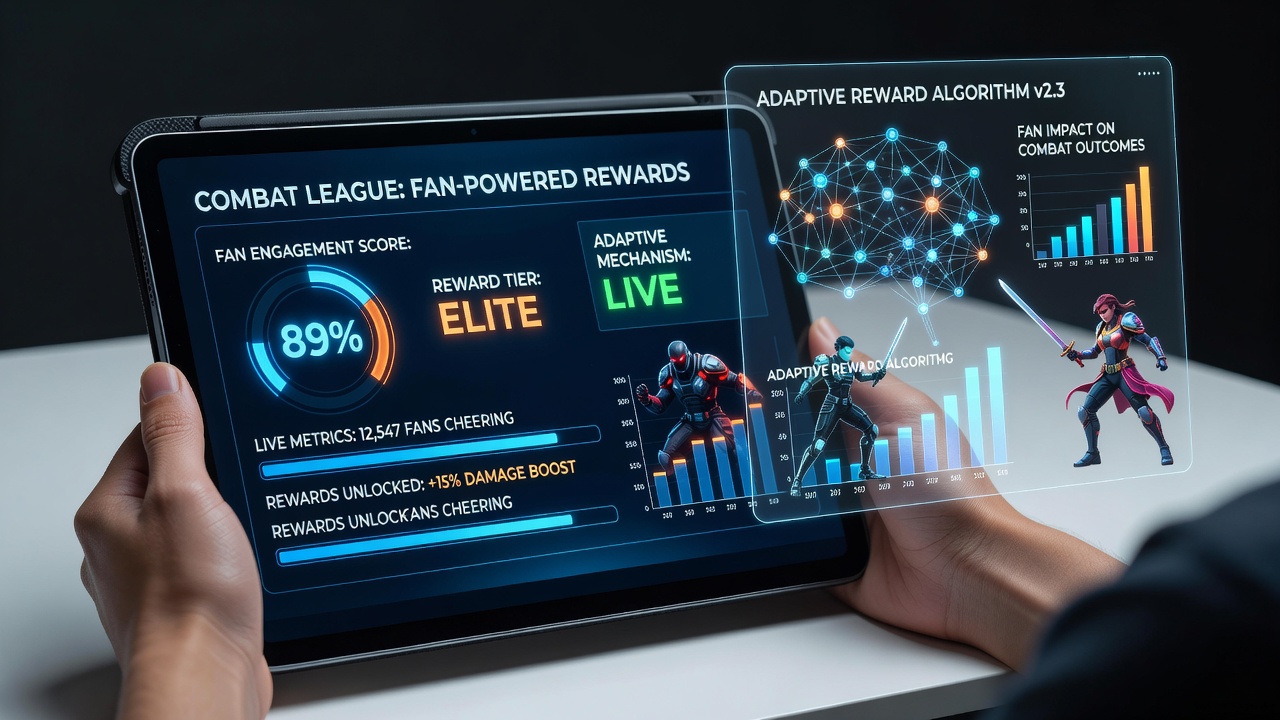
Handheld platforms covering combat leagues have integrated adaptive reward mechanisms that adjust incentives according to measurable fan engagement metrics such as session duration, interaction frequency, content sharing rates, and participation in live polls. These systems process data streams from mobile applications to modify reward structures in real time, ensuring that users receive tailored benefits during major events in leagues focused on mixed martial arts, boxing, and kickboxing.
Core Metrics Driving Adjustments
Platforms collect engagement data through device sensors and user interface tracking, then apply algorithms that recalibrate rewards based on thresholds established by developers. Session length serves as one primary input, with extended viewing periods triggering unlocks for exclusive highlights or fighter profiles. Interaction counts, including votes in fighter rankings and comments during broadcasts, feed into multiplier systems that increase point accumulation rates for active participants.
Geographic and temporal patterns also influence these calculations, as data aggregated across regions reveals peak activity windows that prompt platforms to deploy time-limited rewards. In June 2026, several combat league schedules aligned with international tournaments, leading platforms to heighten metric sensitivity during those periods to sustain viewer retention across different time zones.
Implementation Across Mobile Ecosystems
Developers embed these mechanisms within native applications using cloud-based analytics engines that process inputs without requiring constant user input. When engagement metrics exceed predefined benchmarks, the system activates layered rewards such as digital collectibles, priority access to live streams, or custom notifications about upcoming matches. Underperformance in certain metrics prompts scaled-back offers, redirecting resources toward users demonstrating higher activity levels.
Technical Architecture
Backend frameworks rely on machine learning models trained on historical datasets from prior seasons, allowing the platforms to predict engagement trajectories and pre-allocate reward pools accordingly. Integration with wearable devices extends metric capture to heart rate variability during matches and gesture-based reactions captured through phone cameras, adding physiological dimensions to traditional behavioral data.
Observed Patterns in Combat League Coverage
Data from multiple seasons indicates that reward responsiveness correlates with sustained platform usage during high-stakes bouts. Combat leagues generate distinct engagement spikes around weigh-ins and post-fight analyses, prompting handheld systems to issue rapid reward deployments such as bonus entries into prediction contests or virtual merchandise drops. One study conducted by researchers at the University of Melbourne documented how these adjustments maintained consistent daily active user counts across a sample of combat sports applications during peak event cycles.
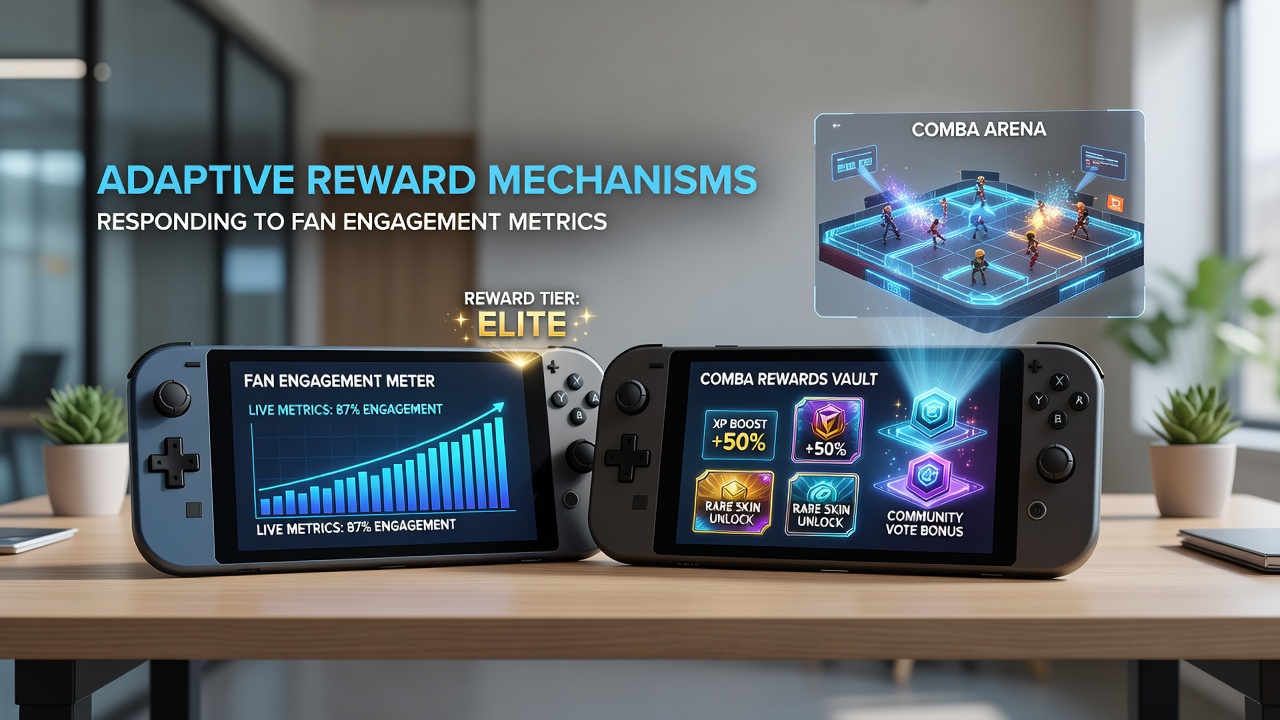
Platforms also incorporate feedback loops where reward redemption rates themselves become secondary metrics, refining future calibration cycles. European mobile operators have reported integration of similar frameworks in their sports applications, drawing on guidelines from the European Gaming Association to standardize data handling practices while adapting rewards to regional preferences in combat sports viewership.
Regional Variations and Data Integration
North American platforms emphasize social connectivity metrics, adjusting rewards when users invite contacts to join event watch parties or contribute to community forums. Australian services, guided by oversight from the Australian Communications and Media Authority, focus on accessibility features that tie engagement rewards to inclusive viewing options for diverse audiences following combat leagues. These variations reflect localized regulatory environments while maintaining core adaptive logic across devices.
Cross-platform compatibility allows users to carry accumulated rewards between handheld devices, with synchronization protocols ensuring metric continuity during switches from phones to tablets. Industry reports compiled by the International Association of Sports Analytics highlight how such interoperability reduces user drop-off rates during extended tournament schedules that span multiple weeks.
Future Calibration Trends
Advancements in real-time processing capabilities point toward expanded use of predictive modeling that anticipates engagement dips before they occur, enabling preemptive reward modifications. Integration with augmented reality overlays during live combat events represents another development area, where metric responses could unlock interactive elements tied directly to fight dynamics.
Observers tracking these systems note continued refinement through seasonal data reviews, with combat league partnerships providing fresh datasets that enhance model accuracy for subsequent cycles. Regulatory frameworks in Canada and other jurisdictions continue to shape data privacy parameters that govern how engagement information informs reward distributions.
Conclusion
Adaptive reward mechanisms in handheld platforms for combat leagues operate through continuous analysis of fan engagement metrics, delivering dynamic adjustments that align incentives with observed user behaviors. These implementations draw on established technical architectures and regional data practices to support sustained interaction across global event schedules. As combat leagues expand their digital footprints, the integration of additional sensor inputs and predictive tools will further evolve how platforms calibrate rewards in response to real-time patterns.