Repeat Rewards Rundown: Cashback Cycles, Reload Bonuses, and VIP Escalators in Sportsbooks
Vera Becker · Apr 20, 2026
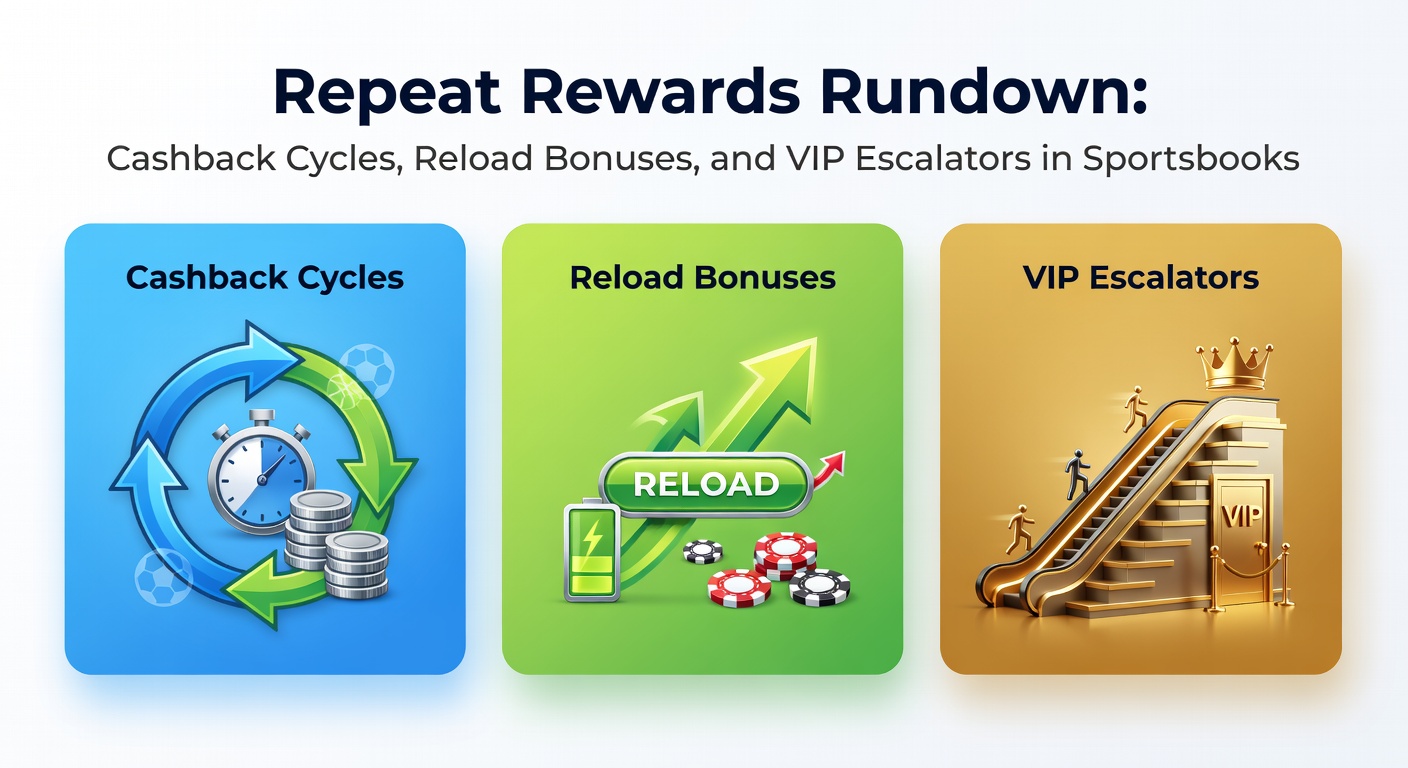
Repeat Rewards Rundown: Cashback Cycles, Reload Bonuses, and VIP Escalators in Sportsbooks
Understanding Repeat Rewards in the Sportsbook World
Sportsbooks craft repeat rewards to sustain player engagement long after the initial sign-up thrill fades; cashback cycles return a slice of losses, reload bonuses sweeten subsequent deposits, and VIP escalators unlock escalating perks based on activity levels. These mechanisms, embedded in platforms across regions, encourage consistent play while operators manage risk through structured incentives. Data from the American Gaming Association reveals that loyalty programs, including these features, drove 65% of retention in U.S. sports betting markets during 2025, with similar patterns emerging globally.
Observers note how these rewards differ from one-off welcome offers; instead, they loop continuously, adapting to user behavior and seasonal events like major leagues or tournaments. Take a bettor wagering on NBA playoffs who hits a cashback cycle mid-slump, recovers funds swiftly, then reloads for enhanced odds on the next game—all while inching up VIP tiers for exclusive boosts. That's teh rhythm sportsbooks design, blending math and psychology to keep action flowing.
Cashback Cycles: The Safety Net for Steady Players
Cashback cycles operate on weekly or monthly resets, refunding 5-20% of net losses in bonus credits or cash, depending on the platform and jurisdiction; players qualify by meeting minimum wager thresholds, often tied to specific sports or bet types. Figures from New Jersey's Division of Gaming Enforcement indicate that cashback accounted for 12% of promotional spend in regulated sportsbooks last year, helping operators retain high-volume users who might otherwise churn after downswings.
But here's the thing: these cycles vary sharply by market; in Australia, platforms under the Northern Territory Racing Commission cap cashback at 10% for recreational players, whereas Canadian sites like those licensed by the Alcohol and Gaming Commission of Ontario push higher rates during peak seasons such as NHL playoffs. One study from the University of Nevada's International Gaming Institute found that participants in cashback programs placed 28% more bets over six months compared to non-participants, since the partial refund softens losses and prompts quicker recovery plays.
Experts break it down simply: log losses from Monday to Sunday, hit the reset, receive credits by Tuesday—ready to deploy on Thursday Night Football or weekend soccer derbies. Platforms often layer multipliers, where VIP status amps the percentage, turning a standard 10% into 15% or more; that's where cycles gain momentum, pulling players deeper into the ecosystem without upfront costs to the house.
Reload Bonuses: Fueling the Next Deposit
Reload bonuses trigger on second, third, or ongoing deposits, typically matching 25-50% up to set limits like $200 or $500, with wagering requirements hovering between 5x and 10x to convert to withdrawable cash. Sportsbooks time these around high-traffic periods—think Super Bowl week or March Madness—when deposit volumes spike; data shows reloads boost average deposit size by 35%, according to reports from the Ontario iGaming sector.
What's interesting is the flexibility; some operators offer daily reloads for mobile users, others weekly codes redeemable via app notifications, while crypto-friendly sites extend them to Bitcoin top-ups with lower playthroughs. Consider a scenario where a soccer enthusiast deposits $100 mid-EPL season, grabs a 50% reload turning it into $150 playable balance, then rides enhanced odds on a Manchester derby—converting winnings after clearing the rollover.
And yet, not all reloads equal; Australian platforms regulated by state bodies emphasize opt-in requirements to curb overplay, whereas U.S. sites in Pennsylvania or Michigan bundle them with free bets on local teams like the Eagles or Lions. Researchers who've tracked these note that reload frequency correlates with lifetime value, as players who reload thrice monthly generate 40% higher revenue than one-timers, all while enjoying the bonus buffer.
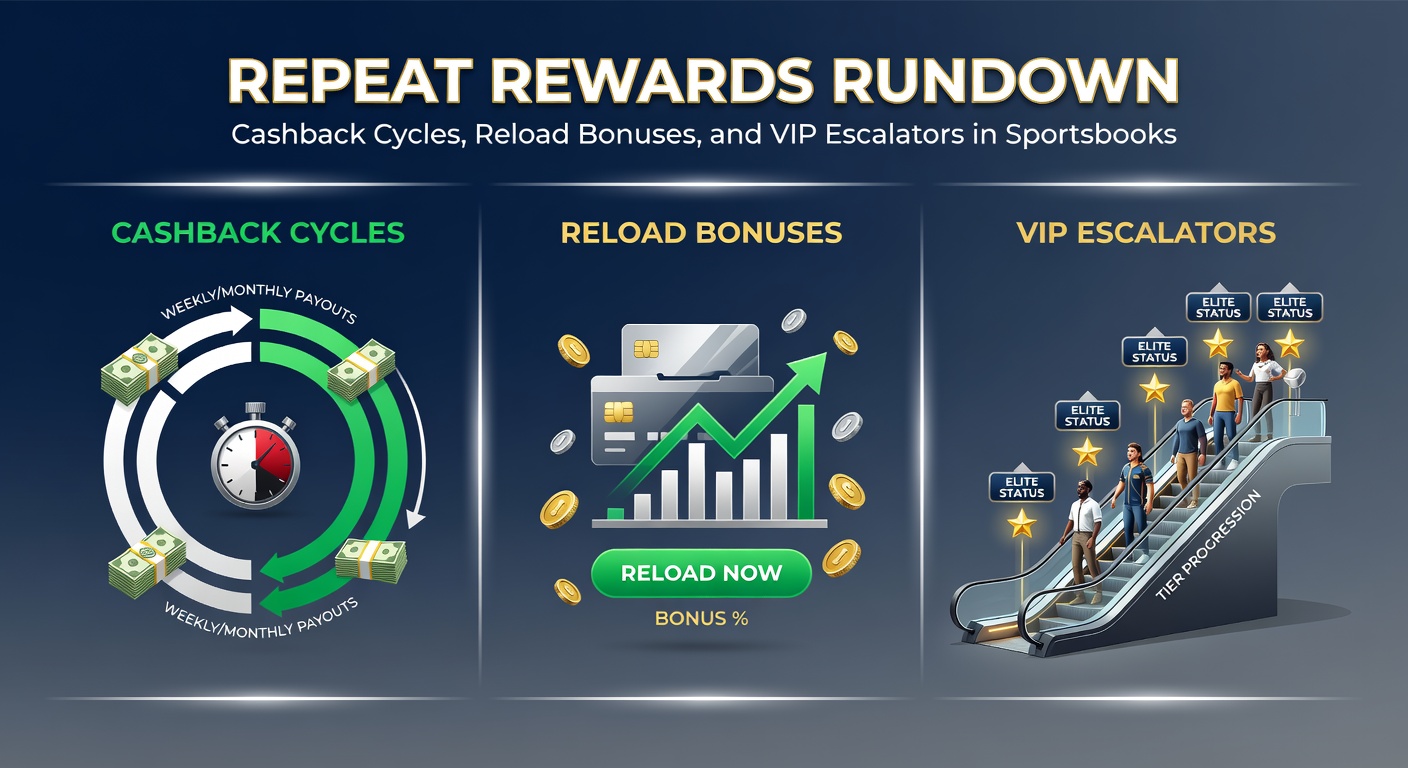
VIP Escalators: Tiered Perks That Build Over Time
VIP escalators function as loyalty ladders, starting at base levels like Silver or Bronze and climbing to Platinum or Diamond through points earned per wager—say, 1 point per $10 betted, redeemable for escalations every 1,000-10,000 points. Perks ramp up dramatically: base tiers snag 5% cashback, mid-levels add priority payouts and loss insurance, top tiers deliver personal hosts, higher reload matches, and invite-only events.
Turns out, these systems thrive on gamification; a Malta Gaming Authority-licensed platform's data highlights how VIPs wager 5x more than average users, since escalators dangle escalating rewards like 20% cashback or 100% reloads on birthdays. People who've climbed these ladders often share stories of hitting Gold during World Cup qualifiers, unlocking boosted parlays that turned modest stakes into significant returns.
Platforms customize escalators regionally—EU sites stress responsible gaming with tier-down mechanics after inactivity, Canadian operators tie them to provincial leagues, and U.S. books align peaks with NFL seasons. One case from Michigan's gaming reports showed a VIP program lifting retention by 52%, as escalators create that sticky pull, where each tier feels like a milestone worth chasing.
How These Rewards Interlock in Practice
Cashback, reloads, and VIP escalators mesh seamlessly; a player snags cashback from a rough week, reloads with a matched bonus boosted by their Silver tier, then escalates to Gold via accumulated points—unlocking better cycles next round. Sportsbooks orchestrate this through dashboards showing progress bars, timers, and personalized offers, ensuring users see the path forward.
Real-world examples abound: during the 2025 Stanley Cup Finals, Ontario-licensed apps layered 15% cashback with 40% reloads for hockey bets, propelling mid-tier VIPs upward; similarly, Aussie books ran escalator challenges tied to AFL finals, where reloads doubled for those nearing Platinum. Observers point out the math—combined uptake hits 70% among actives, per industry benchmarks—since the trio reduces perceived risk while amplifying upside.
- Cashback resets weekly, feeding reload eligibility.
- Reloads earn VIP points faster during promos.
- Escalators retro-boost prior cycles with higher rates.
It's not rocket science; the interplay keeps engagement high, with platforms tweaking formulas based on data like wager-to-deposit ratios.
Navigating Regulations and Trends into April 2026
Regulators shape these rewards tightly; Pennsylvania's Gaming Control Board mandates clear terms on rollovers, while Australian authorities via the ACMA enforce caps on VIP inducements to protect players. Heading into April 2026, trends point to AI-driven personalization—sportsbooks using algorithms to tailor cashback rates per user history—and integration with esports, where reloads target younger demographics amid booming LoL and CS:GO scenes.
Figures reveal growth: EU platforms reported 22% uptick in VIP escalator enrollments year-over-year, fueled by mobile optimizations; U.S. markets anticipate similar surges with NBA playoffs overlapping tax season reload drives. Those monitoring the space expect hybrid models, blending cashback with non-cash perks like merchandise, especially as Canadian provinces expand iGaming footprints.
Yet challenges persist; studies from gaming research centers highlight the need for transparent opt-outs, ensuring rewards enhance enjoyment without pressure.
Wrapping Up the Repeat Rewards Landscape
Repeat rewards—cashback cycles, reload bonuses, VIP escalators—form the backbone of sportsbook loyalty, delivering structured value that sustains play across cycles and tiers. Data underscores their impact, from retention lifts to revenue stability, while regional regs keep them balanced. As April 2026 unfolds with fresh promos and tech tweaks, players stand to benefit from ever-smarter systems; the key lies in understanding terms, tracking progress, and leveraging the loops for sustained action.